
Why Car Batteries Die Faster in UAE Summers (and How to Make Yours Last Longer)
Car batteries often have a shorter life in the UAE because of the extreme summer heat. High temperatures speed up chemical reactions inside the battery, cause water loss, and damage its internal parts.
Long periods of parking, short trips, poor charging, loose connections, old batteries, and heavy use of electrical systems can make the problem worse. Regular battery checks, proper care, and timely replacement can help prevent sudden starting problems and keep your car running reliably.
Why Car Batteries Die Faster in UAE Summers
The UAE summer can be hard on car batteries, especially when temperatures stay high for several weeks. Unlike cold weather, which can make it harder for a battery to start an engine, extreme heat can damage the battery from the inside. It can shorten its working life even before the driver notices any warning signs.
Most car batteries need regular care to handle these conditions. Understanding the main reasons behind battery failure can help drivers take action before the car refuses to start.
1. Extreme Heat Damages Battery Parts
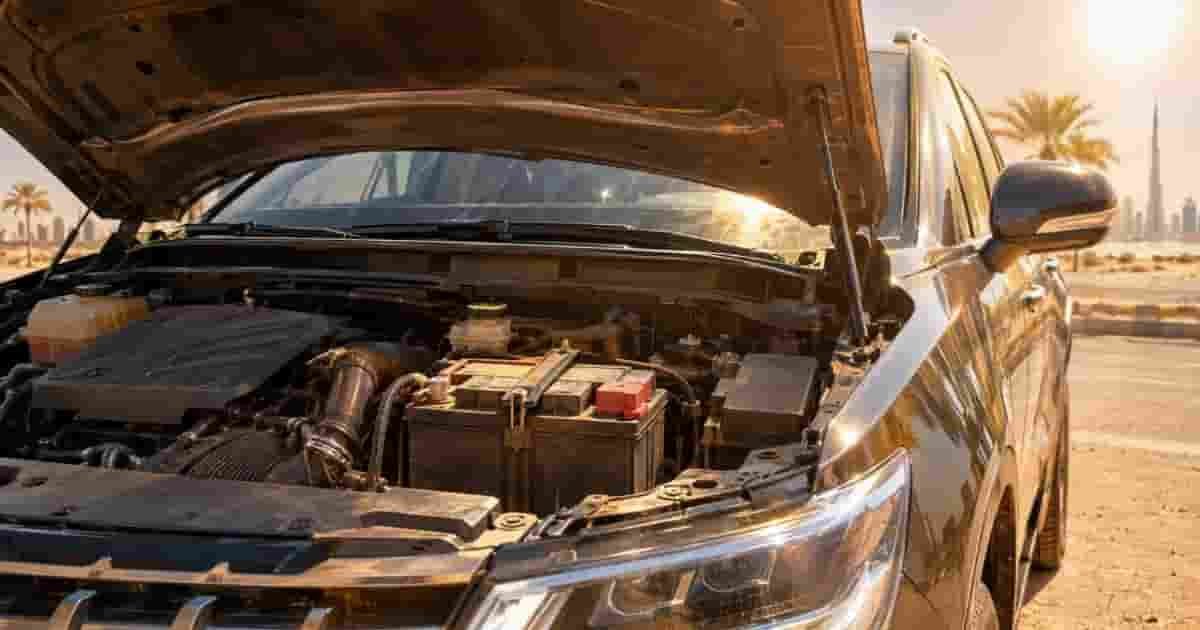
High temperatures are one of the main reasons car batteries fail faster in the UAE. Heat speeds up the chemical reactions inside the battery, which can cause its internal parts to wear out sooner. It can also damage the battery plates and reduce their ability to store and deliver power.
During summer, the temperature under the bonnet can become much higher than the outside air. This extra heat puts more pressure on the battery, especially when the car is parked outside for long hours. Parking in shaded areas and checking battery condition regularly can help reduce heat-related damage.
2. Battery Fluid Evaporates Faster
Some car batteries contain a liquid solution called electrolyte, which helps produce electrical power. Extreme heat can increase water loss from this liquid, especially in batteries that are not fully sealed. When the fluid level becomes too low, the battery may not work as it should.
Low electrolyte levels can expose internal plates and cause permanent damage. This reduces the battery’s ability to hold a charge and may lead to early failure. Drivers with serviceable batteries should follow the manufacturer’s instructions for checking fluid levels. Sealed batteries should not be opened, as they are designed to work without regular fluid refills.
3. Long Parking Hours Increase Battery Stress
Cars that remain parked outside for several days can face battery problems during the UAE summer. Even when the engine is switched off, some electrical systems continue to use a small amount of power. These include the alarm, clock, keyless entry system, and other electronic features.
If the car stays unused for a long time, the battery may slowly lose its charge. High temperatures can make the situation worse by speeding up internal battery wear.
Drivers who travel often or leave their cars parked for long periods should check the battery regularly. A suitable battery maintainer may help keep the charge stable when recommended for the vehicle.
4. Short Trips Do Not Give the Battery Enough Time to Recharge
Many drivers use their cars for short trips, such as going to nearby shops, schools, or offices. During engine start-up, the battery uses a large amount of power. The alternator then works to recharge it while the engine is running.
However, a short drive may not give the alternator enough time to replace the power used during starting. If this happens regularly, the battery can remain undercharged.
Over time, this may affect its performance and reduce its useful life. Longer drives from time to time can help, but drivers should have the charging system checked if the battery keeps losing power.
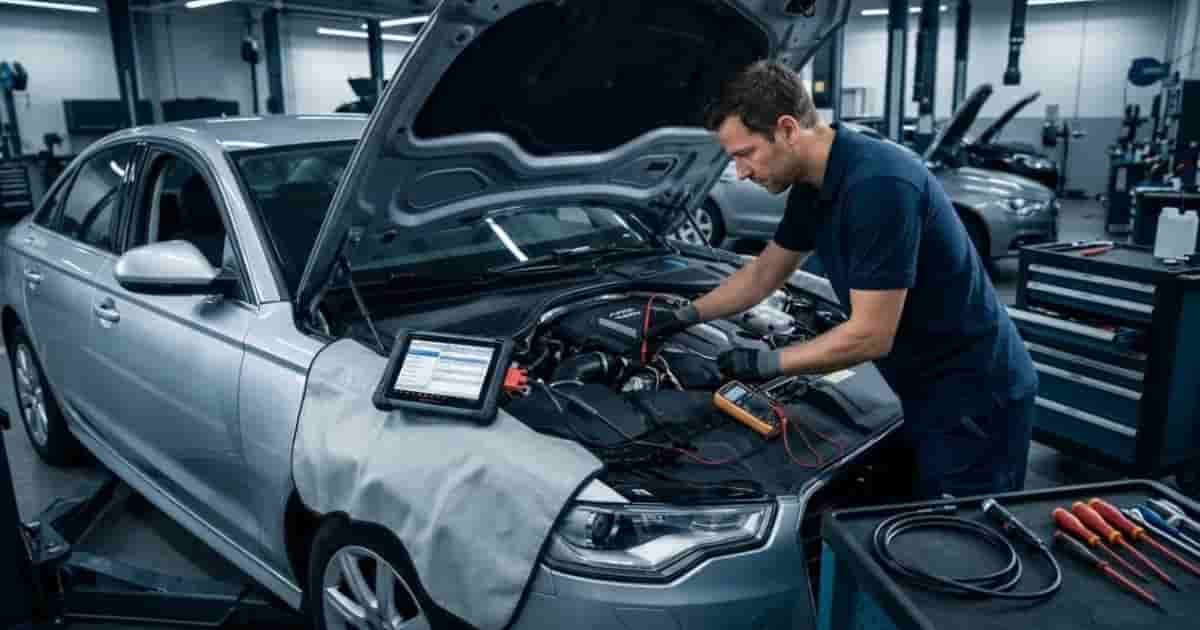
5. A Faulty Alternator Cannot Charge the Battery Properly
The alternator produces electricity while the engine is running. It supplies power to the car’s electrical systems and recharges the battery. If the alternator develops a fault, the battery may not receive enough power to stay charged.
A faulty alternator can cause dim headlights, warning lights on the dashboard, and difficulty starting the engine. In some cases, the battery warning light may appear while driving.
These signs should not be ignored because replacing the battery alone will not fix a charging problem. A mechanic can test the alternator and charging system to find the actual cause.
6. Corroded or Loose Battery Terminals Interrupt Power
Battery terminals connect the battery to the car’s electrical system. Over time, dirt, moisture, and chemical reactions can cause corrosion around these connections. It often appears as a white, blue, or green powder near the battery terminals.
Corrosion creates resistance and can stop electricity from flowing properly. Loose connections can cause similar problems, including slow engine starting, flickering lights, and sudden loss of power.
Regular inspections can help drivers spot these issues early. Battery terminals should be cleaned and tightened correctly, preferably by a trained technician, to avoid damage or accidental short circuits.
How to Make Your Car Battery Last Longer in UAE Summers
Although extreme heat cannot be avoided, a few simple habits can help reduce battery damage. Drivers should pay attention to battery condition, parking habits, and electrical use throughout the year. Small steps can make a difference, especially during the hottest months.
Park in Shaded or Covered Areas
Parking in a shaded place can reduce direct sunlight and help keep the car cooler. Whenever possible, choose covered parking at home, work or shopping centres. If covered parking is not available, avoid leaving the car under direct sunlight for longer than necessary. A cooler parking space can reduce the heat that builds up under the bonnet and around the battery.
Check Battery Health Before Summer
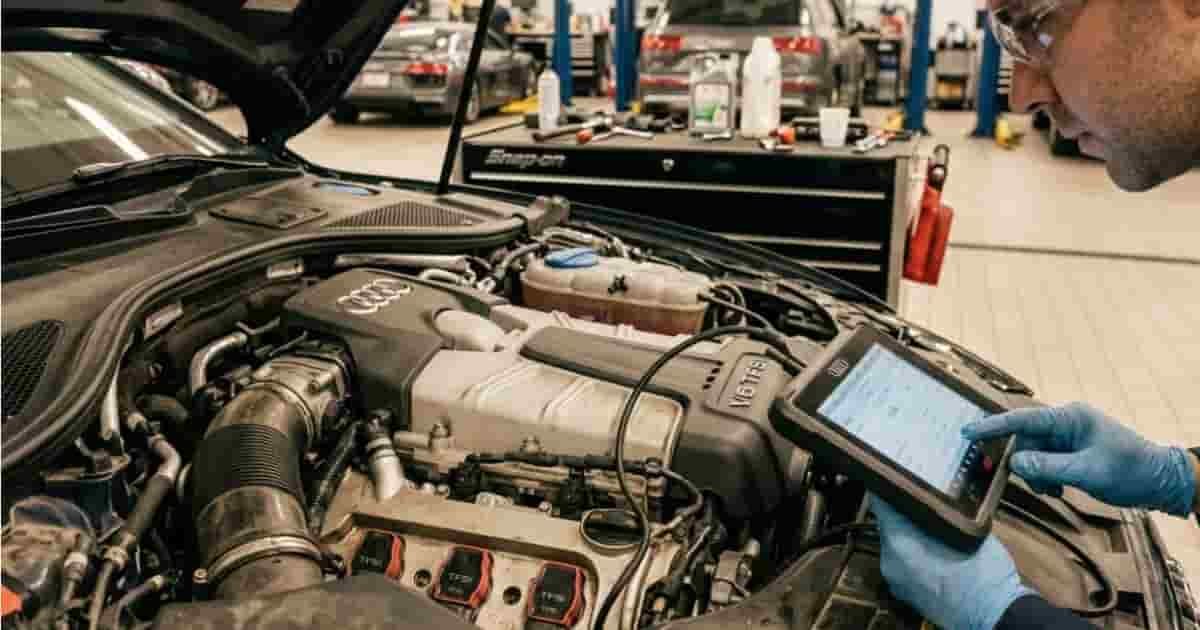
A battery health test can show whether the battery is holding enough charge and delivering the power needed to start the engine. It can also help identify a weak battery before it fails. Drivers should consider testing their batteries before summer begins, especially if the battery is already a few years old. Checking the alternator at the same time can help identify charging problems.
Keep Battery Terminals Clean
Clean battery terminals help maintain a stable electrical connection. Drivers should look for corrosion, loose clamps, and signs of damage during regular checks. If corrosion appears, have the terminals cleaned using the correct method. Avoid touching battery connections with metal tools without proper care, as this can cause a short circuit.
Avoid Leaving Electrical Devices On
Make sure headlights, cabin lights, and entertainment systems are switched off before leaving the car. Unplug phone chargers and other accessories when they are not needed. These small steps can reduce unnecessary battery drain, especially when the car remains parked for several hours or days.
Replace a Weak Battery at the Right Time
Waiting until a battery stops working can leave drivers stranded in parking areas, residential streets, or busy roads. If a battery fails a health test or shows repeated signs of weakness, arrange a replacement. Choosing the correct battery size, capacity, and specifications for the car is important for safe and reliable performance.
When Should You Get a Car Battery Replaced?
A car battery should be replaced when it can no longer hold enough charge or deliver the power required by the vehicle. The right replacement time depends on its age, condition, usage, and exposure to heat. Drivers should not rely only on the battery’s age because some batteries fail earlier than expected, while others continue working for longer.
If your car does not start, a battery test can help determine whether it needs a replacement or simply a recharge. When the battery is completely dead, damaged, or unable to hold a charge, a new one may be necessary.
For drivers who cannot visit a garage, mobile car battery replacement can be a practical option. An on-site technician can visit the car’s location, check the battery, and help fit a suitable replacement when needed. This is useful when the car is parked at home, at work, or in a shopping centre and cannot be driven.
Conclusion
Car batteries die faster in UAE summers because of extreme heat, fluid loss, long parking hours, short trips, charging problems, and natural wear. These issues can reduce battery life and lead to sudden starting problems.
Drivers can protect their batteries by parking in shaded areas, keeping terminals clean, limiting unnecessary electrical use, and checking battery health regularly.
If your car shows signs of a weak battery, do not wait for it to fail completely. A timely battery test and replacement can help prevent unexpected problems and keep your car ready for everyday driving.

We are storytellers at heart — a team of travel lovers and lifestyle enthusiasts who call the UAE our favorite subject. We dig deeper than the highlights, explore beyond the obvious, and bring you content that is as real as it gets. From hidden gems to iconic landmarks, we cover the Emirates the way it deserves to be covered.