
Why Are Intermittent Problems in European Cars Often Difficult to Reproduce?
A European car may drive normally during an inspection and then suddenly develop a strange problem later. This can make faults such as warning lights, rough running, electrical glitches, or unusual gear changes difficult to understand. The issue may disappear before the vehicle reaches a workshop.
Intermittent problems are often hard to reproduce because they depend on specific conditions. Heat, engine load, road movement, moisture, electrical voltage, driving speed, and software communication can all change how a fault appears.
A weak sensor or loose connection may work normally most of the time and fail only for a few seconds. A detailed inspection through car repair in Abu Dhabi services can help when normal testing does not reproduce the complaint.
Why Do Intermittent Car Problems Come and Go?
An intermittent fault does not happen continuously. A component may work most of the time correctly and only fail under certain conditions. This makes the problem difficult to observe during a short workshop visit.
For example, a car may show a warning light during a long drive but operate normally after being parked for an hour. A loose electrical connection may also lose contact when the vehicle moves over rough roads.
Since the fault can disappear before testing begins, a technician may find normal readings even though the driver experienced a real problem. Understanding when the fault occurs is therefore an important part of diagnosis.
1. Heat Can Change How a Fault Appears
Temperature can have a major effect on electrical and mechanical parts. A sensor, wiring connection, ignition coil, or control module may work normally when cold and behave differently after heating up.
A European car can therefore pass a cold inspection even though the problem appears after a long drive. Components near the engine or exhaust system are exposed to high temperatures and repeated heat cycles.
As parts expand, a weak connection or damaged component may temporarily lose its normal function. Comparing cold and warm readings can help identify a fault that only appears after the vehicle reaches operating temperature.
2. Loose Electrical Connections May Fail With Movement
Modern cars depend on many connectors and wires to carry power and data. A connector that is slightly loose may work correctly while the vehicle is stationary but lose contact when the car moves.
Road bumps, vibration, and normal engine movement can make the connection change for a short period. The driver may see a warning light or experience a brief system failure before everything returns to normal.
By the time the vehicle reaches a workshop, the connection may work again. Checking connectors, wiring, grounds, and terminals can help find these faults even when they are not active during the inspection.
3. Moisture Can Create Temporary Electrical Problems
Water and moisture can affect electrical connections, sensors, and wiring. A problem may appear after rain, washing the vehicle, driving through standing water, or during periods of high humidity.
Moisture can change the electrical resistance of a connection or create unwanted contact between circuits. Once the area dries, the symptom may disappear. This makes the problem difficult to reproduce in a dry workshop.
Signs such as corrosion, water marks, damaged seals, or moisture around connectors can provide useful clues. Checking areas exposed to water can help when an electrical problem occurs only under wet conditions.
4. Driving Conditions Can Change the Fault
Some faults only appear during specific driving conditions. A car may behave normally at low speed but develop a problem during hard acceleration, highway driving, steep climbs, or heavy traffic.
The engine, transmission, cooling system, and electrical systems operate differently depending on the load placed on the vehicle. A weak component may work during light driving but struggle when demand increases.
This is why a short test around a workshop may not reproduce the same symptom. A controlled road test under suitable conditions can help technicians observe the vehicle while the suspected fault is more likely to occur.
5. Battery Voltage Can Affect Electronic Systems
European vehicles often depend heavily on electronic control systems. These systems need a stable electrical supply to operate correctly. A weak battery, charging problem, poor ground, or loose connection can sometimes cause temporary electronic faults.
The vehicle may display several warning messages, fail to start occasionally, or show unusual behavior that later disappears. Battery voltage can also change depending on temperature, electrical load, and engine speed.
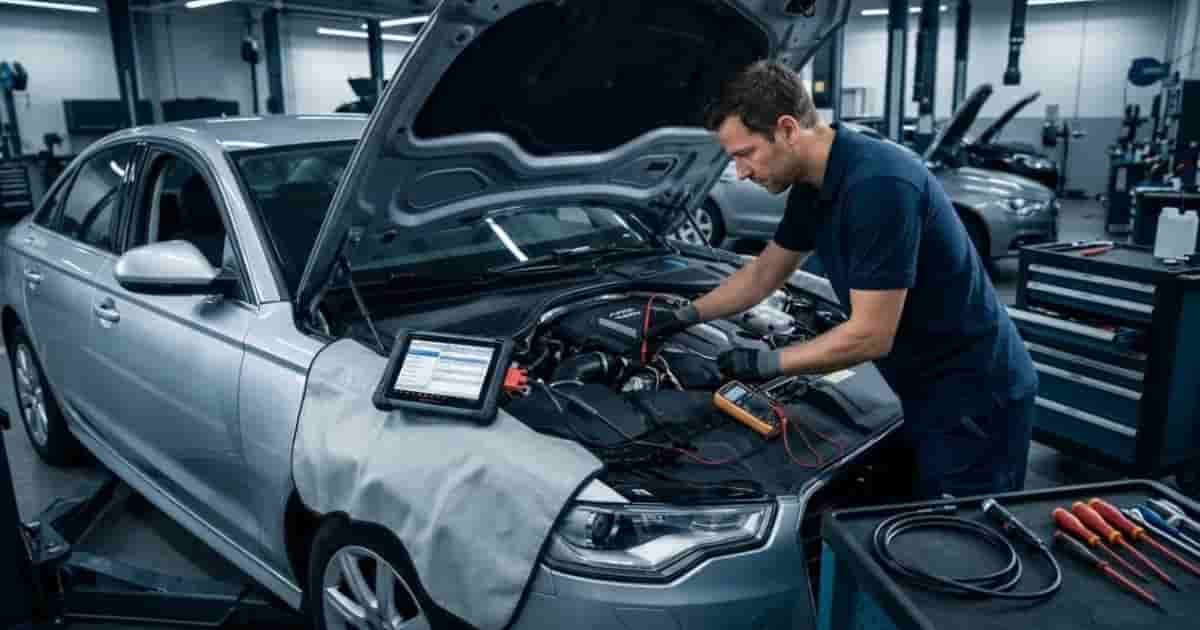
Checking voltage only once may not reveal the complete problem. Testing the battery, charging system, and electrical connections under different conditions can provide a clearer picture.
6. Sensors May Fail Only at Certain Times
Sensors provide information that control units use to manage different vehicle systems. A sensor may begin to fail without stopping completely. Instead, it may occasionally send an incorrect or unstable signal.
This can produce symptoms that appear and disappear. An engine may hesitate briefly, a warning light may turn on, or a transmission may change gears differently for a short period. The sensor may then return to normal operation.
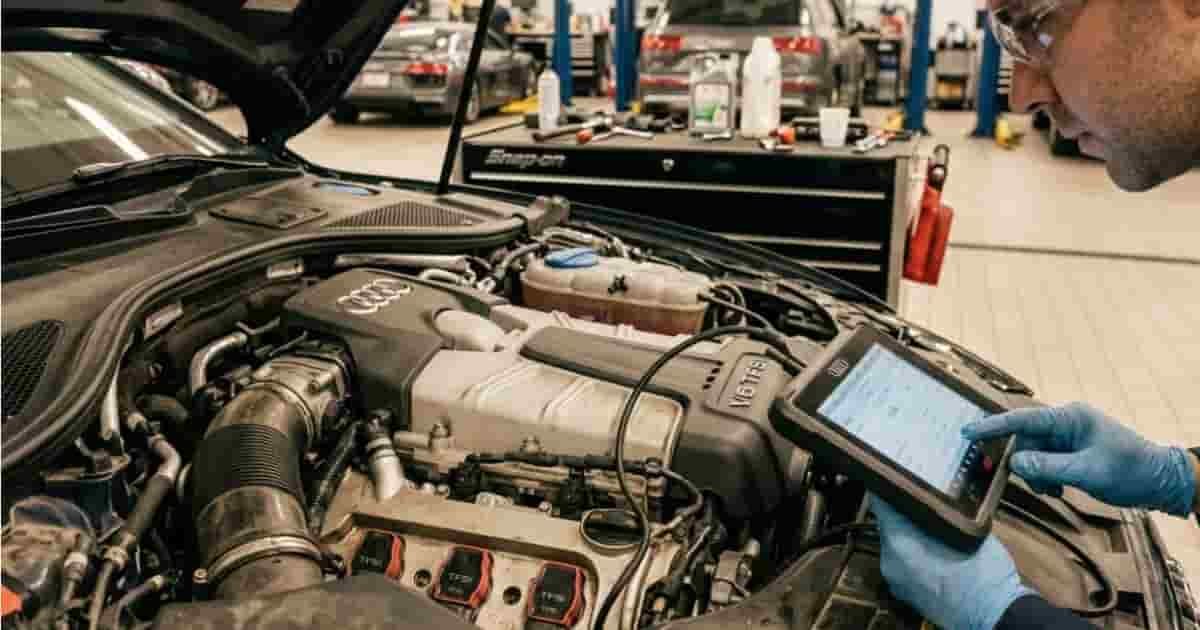
Stored fault codes and live data can help identify these problems, especially when the technician compares readings before, during, and after the symptom occurs.
7. Software and Communication Faults Can Be Temporary
Modern European vehicles use multiple control units that communicate with one another. These modules exchange information about the engine, transmission, brakes, steering, safety systems, and other functions.
A communication interruption can cause temporary warning messages or unusual system behavior. The problem may disappear after restarting the vehicle, making it harder to reproduce. Software faults can also depend on a particular sequence of events or system conditions.
Checking stored communication codes and module data can help determine whether the problem involves communication, power supply, wiring, or another component.
8. Mechanical Parts Can Behave Differently Under Load
Not every intermittent problem is electrical. Mechanical components can also behave differently when the vehicle is under load or operating at a certain temperature.
For example, a worn bearing may become noisy only at a particular speed. A belt may make a sound only when accessories are under heavy load. A suspension component may produce a knocking noise only on certain road surfaces.
These symptoms may disappear when the vehicle is parked or driven slowly. A technician may need to inspect the vehicle under the same conditions that caused the original complaint.
9. Fault Codes May Remain Even After the Symptom Disappears
An intermittent problem may stop happening while the vehicle is being inspected, but the control unit may have already recorded what happened. Stored or pending fault codes can therefore provide an important clue.
However, the code should not automatically be treated as proof that a specific part has failed. It may identify the system that detected an unusual condition rather than the exact cause.
Technicians can compare the code with live data, wiring checks, physical inspection, and the driver’s description. This helps separate the original cause from secondary warnings that appeared because of it.
What Information Can Help Reproduce an Intermittent Fault?
The driver’s description can be very useful when the problem is not active during inspection. Small details can help identify the conditions linked to the fault.
Try to record:
- When it happens: Note the time, distance, or length of the drive.
- Engine temperature: Record whether the engine was cold, warm, or fully heated.
- Driving conditions: Mention traffic, highway speeds, hills, or heavy acceleration.
- Weather: Note rain, high humidity, or very hot conditions.
- Warning messages: Record the exact message or warning light.
- Recent work: Mention repairs, battery replacement, servicing, or electrical work.
- How long it lasts: Note whether the problem lasts for seconds, minutes, or the whole drive.
These details can give technicians a starting point when the fault cannot be reproduced immediately.
Conclusion
Intermittent problems in European cars are difficult to reproduce because they may depend on heat, vibration, moisture, driving conditions, electrical voltage, engine load, or communication between control units.
The vehicle may work normally during a workshop inspection even though the driver has experienced a genuine fault. The best approach is to record when and how the problem occurs and share those details during inspection.
Stored fault codes, live data, road testing, electrical checks, and physical inspections can then be combined to find the cause. A careful diagnostic process is often more useful than replacing parts based on one symptom or warning code.

We are storytellers at heart — a team of travel lovers and lifestyle enthusiasts who call the UAE our favorite subject. We dig deeper than the highlights, explore beyond the obvious, and bring you content that is as real as it gets. From hidden gems to iconic landmarks, we cover the Emirates the way it deserves to be covered.