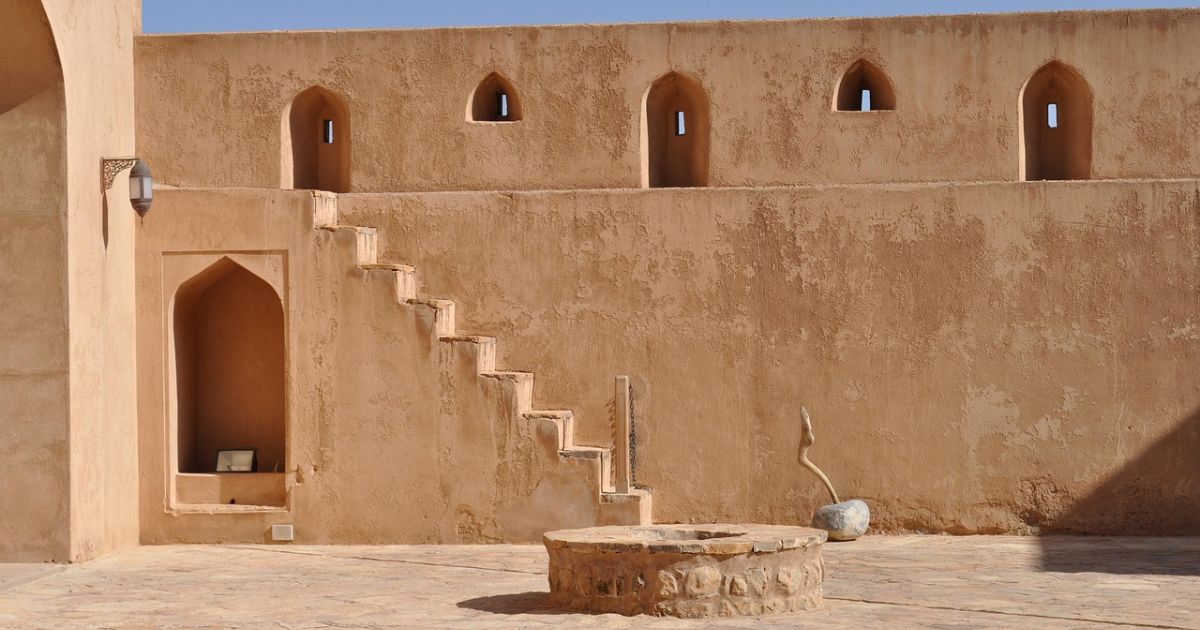
Fujairah is one of the most distinctive emirates in the UAE, known for its mountains, coastline, and deep cultural roots. If you’re wondering where Fujairah is located, it sits on the eastern coast along the Gulf of Oman, giving it direct access to major sea routes. The history of Fujairah emirate reflects centuries of tribal leadership and resilience.
The history of Fujairah emirate spans centuries of tribal leadership, strategic developments, and gradual modernization.
Today, its economy thrives through trade, industry, and the Fujairah port’s strategic importance and cultural landmarks make it a fascinating place to explore, blending tradition with modern life. Fujairah is a hidden gem for travelers, offering stunning beaches, scenic mountains, and peaceful wadis. Its historic forts, ancient mosques, and local cuisine make it a perfect mix of nature and culture.
About Fujairah: UAE’s Eastern Gem
Fujairah is one of the seven emirates of the United Arab Emirates. It is the only emirate located fully on the eastern coast. The total area of Fujairah emirate is about 1,166 square kilometers.
According to official data, the population of Fujairah mid 2024 reached 314,829. Life here feels calmer than in Dubai. Yet development moves quickly. Fujairah balances growth with heritage in a way that feels authentic and grounded.
| Key Fact | Detail |
| Total Area | 1,166 sq. km |
| Coastline | Approx. 70 km |
| Population 2024 | 314,829 |
| GDP 2024 | AED 29,13 Billion |
Location and Geography of Fujairah
If you wonder where Fujairah is located, the answer is simple. It sits on the eastern side of the UAE along the Gulf of Oman. It borders Sharjah and Ras Al Khaimah to the west and Oman to the north. This position gives it direct access to the Indian Ocean.
The landscape defines Fujairah. The Hajar Mountains rise sharply behind the coastline. Rainfall from these mountains supports farming. Many visitors compare the Fujairah climate compared to Dubai and notice it feels slightly cooler and more humid due to the sea breeze and mountain air.
History of Fujairah: Ancient Roots and Tribal Heritage
The history of Fujairah emirate stretches back thousands of years. Archaeologists found evidence of settlements from the third millennium BC. Tribes ruled the region long before oil reshaped the Gulf.
Modern history began in 1808 when Sheikh Mohammed bin Mattar of the Al Sharqi tribe built his fort. Fujairah joined the UAE in 1971. Since then, it has modernized steadily while protecting its identity and traditions.
The Ruling Family of Fujairah
Leadership shaped Fujairah’s path. The Al Sharqi dynasty has governed the emirate for generations. Stability helped Fujairah grow without losing its cultural roots.
The current Ruler of Fujairah, Hamad bin Mohammed Al Sharqi, continues to guide long term development plans. His vision includes infrastructure growth, port expansion, and investment attraction. Governance here focuses on balanced progress.
Population and Demographics
The population of Fujairah mid 2024 stands at 314,829. Emiratis live alongside expatriates from Asia, Europe, and other Arab countries. Arabic is the official language. English is widely spoken in business and education.
Most residents live in Fujairah City. Smaller communities stretch toward Dibba in the north. Population growth supports economic expansion. Yet community bonds remain strong and traditional values still guide daily life.
Economy of Fujairah: Trade, Industry, and Ports
Fujairah’s economy began with fishing and agriculture. Rain from the Hajar Mountains supported farming. Today, the economy looks far broader. The Industries in Fujairah UAE include mining, stone crushing, shipping services, oil storage, and trade.
The Fujairah GDP 2024 reached AED 29,130 million. The Fujairah Free Zone encourages foreign investment. In 2015, leaders launched Fujairah Plan 2040 to expand the airport, port, and industrial zones. Growth feels planned rather than rushed.
Port of Fujairah and Its Strategic Importance
The Port of Fujairah gives the emirate global weight. Analysts often discuss Fujairah port’s strategic importance because it offers the UAE direct access to the Indian Ocean without passing through the Strait of Hormuz.
The port ranks among the world’s largest bunkering hubs. Oil terminals line the coast. Livestock shipments also move through this gateway. This maritime power strengthens national energy security and international trade ties.
Culture and Traditions in Fujairah
Culture runs deep in Fujairah. Islamic values shape daily routines. Traditional crafts such as pottery and weaving still survive in heritage villages. Weddings and festivals celebrate tribal identity and hospitality.
Local food reflects mountain and coastal life. Seafood dishes remain popular. Dates and Arabic coffee welcome guests warmly. Even as skyscrapers rise, cultural pride stays visible in architecture and customs.
Major Landmarks and Important Sites
History stands proudly across Fujairah. Fujairah Fort overlooks the city. Al Bidya Mosque dates back to the 15th century. Natural wonders like Wadi Al Wurayah draw nature lovers.
Scholars highlight the major tourist attractions in Fujairah as a mix of forts, waterfalls, gardens, and beaches. These sites show how geography and history intertwine across the emirate.
Why Fujairah Is Important in the UAE
Fujairah strengthens the UAE’s maritime reach. Its coastline secures trade routes. Its mountains supply natural resources. Its industries diversify the national economy beyond oil production.
In simple terms, Fujairah acts as the UAE’s eastern shield and shipping gateway. It combines heritage, geography, and ambition. That blend makes Fujairah not just another emirate but a pillar of the federation’s long term stability and growth.
Conclusion
Fujairah is more than just an emirate on the UAE’s eastern coast; it is a place where history, culture, and geography come alive. Its majestic mountains, serene beaches, and historical forts tell stories of a rich past, while its thriving economy, strategic port, and growing population highlight its importance today. The emirate successfully balances modern development with traditional heritage, making it unique among the seven UAE emirates. Whether you explore its natural wonders, cultural landmarks, or economic hubs, Fujairah leaves a lasting impression as a vibrant, strategic, and culturally rich region that continues to shape the UAE’s identity.
FAQs
What is Fujairah known for?
Fujairah is famous for its mountains, beaches, historic forts, and rich cultural heritage.
Where is Fujairah located?
Fujairah is located on the eastern coast of the UAE along the Gulf of Oman.
What is the population of Fujairah?
The population of Fujairah mid 2024 is approximately 314,829.
Who is the Ruler of Fujairah?
The current Ruler of Fujairah is Hamad bin Mohammed Al Sharqi.
What are the major tourist attractions in Fujairah?
Key sites include Fujairah Fort, Al Bidya Mosque, Fujairah Museum, Sheikh Zayed Mosque Fujairah, Wadi Al Wurayah, and pristine beaches.
What industries exist in Fujairah?
The main industries in Fujairah UAE include fishing, agriculture, mining, construction, and shipping.
Why is the Port of Fujairah important?
The Fujairah port’s strategic importance lies in its direct access to the Indian Ocean and major global shipping routes.
Is Fujairah part of Dubai?
No, Fujairah is a separate emirate in the UAE and not part of Dubai.
What is the famous structure of Fujairah?
The most famous structure is Fujairah Fort, one of the oldest forts in the UAE.
Is Fujairah developed?
Yes, Fujairah is steadily developed with modern infrastructure, a major port, and growing industries.
Is Fujairah cheap or expensive?
Fujairah is generally more affordable than Dubai and Abu Dhabi in terms of housing and living costs.
What language is spoken in Fujairah?
Arabic is the official language, while English is widely spoken in business and daily life.
Is Fujairah a good place to live?
Yes, Fujairah offers a peaceful lifestyle, natural beauty, and lower living costs compared to larger emirates.

We are storytellers at heart — a team of travel lovers and lifestyle enthusiasts who call the UAE our favorite subject. We dig deeper than the highlights, explore beyond the obvious, and bring you content that is as real as it gets. From hidden gems to iconic landmarks, we cover the Emirates the way it deserves to be covered.