
Why Does an Audi Sometimes Hesitate During Acceleration?
An Audi should respond smoothly when you press the accelerator, but sometimes the car may feel slow, delayed, or uneven when picking up speed. This hesitation can happen for several reasons, from a dirty air filter to a fuel problem or a transmission issue.
Common reasons for Audi acceleration problems include poor fuel delivery, blocked filters, faulty sensors, worn spark plugs, air leaks, transmission faults, and carbon buildup.
Hot weather and heavy traffic can also place extra stress on the engine and gearbox. Finding the exact cause early can help prevent a small fault from becoming a costly repair.
What Does Acceleration Hesitation Feel Like?
Acceleration hesitation can feel different depending on the problem. The engine may take a few seconds to respond after you press the accelerator, or the car may briefly lose power before moving forward.
Some drivers notice a slight jerk, while others may feel the engine running unevenly. The problem may appear when starting from a stop, joining a highway, climbing a hill, or trying to overtake another vehicle.
It may happen only when the engine is cold or can become more noticeable after the car gets hot. These details can help a technician find the source of the fault.
What Are the Main Reasons for Audi Acceleration Problems?
There is no single cause of poor acceleration. Several engine, fuel, air, electrical, and transmission parts work together to provide smooth power. If one of these systems does not work correctly, the car may hesitate.
1. Dirty Air Filters Reduce Acceleration
The engine needs a steady supply of clean air to produce power. A clogged air filter chokes airflow, starving the engine of the air it needs to run properly. This may lead to slow throttle response, reduced power, or uneven acceleration.
Dust is a common concern for vehicles driven in Abu Dhabi and other areas with dry road conditions. Fine particles can collect in the filter over time.
If the filter becomes heavily blocked, engine performance may suffer. Checking the air filter during routine maintenance is a simple way to prevent one possible cause of weak acceleration.
2. Fuel Problems Cause Hesitation
Proper engine performance depends on delivering fuel in the right amount at the right moment. If the fuel pump becomes weak, the fuel filter is restricted, or the injectors become dirty, the engine may not receive enough fuel when more power is needed.
A fuel problem can become more noticeable during hard acceleration because the engine requires greater fuel flow. The car may feel fine during light driving but hesitate when the driver presses the accelerator harder.
Poor-quality fuel can also affect engine performance. If fuel delivery is suspected, a technician can test pressure and inspect the related components instead of replacing parts without finding the actual cause.
3. Spark Plugs and Ignition Coils Affect Power
Spark plugs ignite the air-fuel mixture inside the engine, while ignition coils supply the electrical charge that creates that spark. A worn plug or failing coil can cause misfires.
A misfire can make acceleration feel weak or rough. The check engine light may also appear, although this does not happen in every case. Drivers may notice shaking when pressing the accelerator or a loss of power at higher speeds.
Checking the ignition system is especially important when hesitation happens together with rough engine operation.
4. Faulty Sensors Cause Slow Acceleration
Modern Audi engines use several sensors to control fuel, air, ignition, and engine performance. These include airflow, oxygen, throttle position, and pressure sensors. The engine control unit uses information from these parts to decide how the engine should operate.
Faulty sensor data can throw off the engine’s fuel and air calibration. This can lead to hesitation, poor throttle response, higher fuel use, or unstable engine operation.
A diagnostic scan can help identify stored fault codes, but the code should not be treated as proof that the sensor itself has failed. Further testing is often needed to find the real cause.
5. Carbon Buildup Affects Audi Acceleration
Carbon deposits can build up in parts of the engine over time. Direct-injection engines can be more sensitive to intake valve deposits because fuel does not wash over the back of the valves in the same way as in some older fuel systems.
Heavy buildup can affect airflow and engine performance. Drivers may notice rough idling, weaker acceleration, or reduced response when pressing the accelerator. The problem may develop slowly, making it easy to mistake it for normal vehicle aging.
If carbon buildup is suspected, a technician can inspect the engine and recommend the correct cleaning method for the specific Audi engine.
6. Transmission Problem Can Cause Hesitation
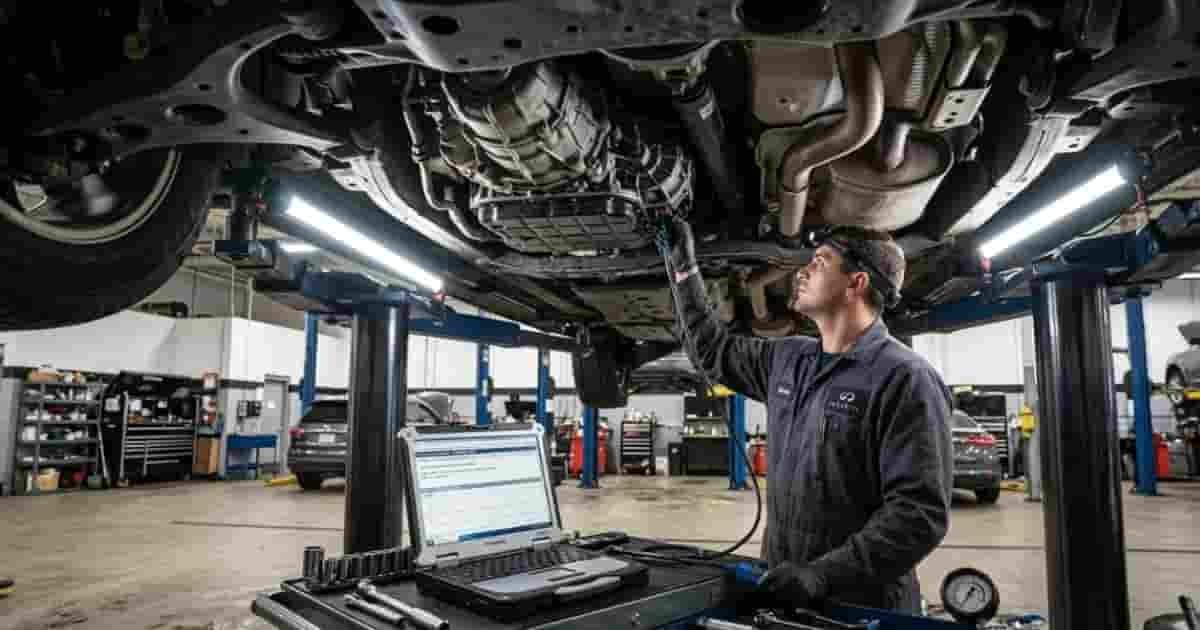
The engine is not always responsible for slow acceleration. The transmission also plays a major role in turning engine power into movement. If the gearbox has a fluid problem, clutch wear, a faulty sensor, or an internal control issue, the vehicle may hesitate before changing gear or moving forward.
Some drivers may notice delayed gear engagement, harsh shifts, slipping, or a sudden change in engine speed. Don’t ignore these warning signs.
If acceleration hesitation is linked to shifting behavior, professional diagnosis is important. Continuing to drive with a serious gearbox problem can sometimes increase wear and repair costs.
Abu Dhabi Heat Affects Acceleration
High temperatures can place extra stress on an Audi’s engine and transmission. During summer, the engine cooling system, AC system, battery, and other components may work harder. Heavy traffic can make the situation more demanding because the vehicle spends long periods moving slowly or standing still.
Heat can also affect fluids, rubber parts, electrical components, and other systems. If acceleration becomes weaker mainly after long periods of driving or during very hot weather, technicians should consider temperature-related issues during diagnosis.
Checking coolant levels, engine temperatures, intake systems, and related components can help narrow down the problem.
Clogged Fuel Injector Causes Poor Response
Fuel injectors must spray fuel in the correct amount and pattern. Over time, deposits can affect how an injector works. A dirty injector may not deliver fuel evenly, which can cause rough running and poor acceleration.
The symptoms can vary from mild hesitation to noticeable loss of power. Fuel injector problems may also cause higher fuel consumption or an uneven idle.
A technician can test injector performance and compare the results with the engine’s normal operating values. Cleaning may help in some cases, while a damaged injector may need replacement. The correct solution depends on the condition of the component.
What Should You Do If the Audi Hesitates?
Do not ignore repeated acceleration problems, especially if the issue is becoming more frequent. Start by noting when the hesitation occurs. Pay attention to whether it happens when the engine is cold, after the car becomes hot, during gear changes, or when driving uphill.
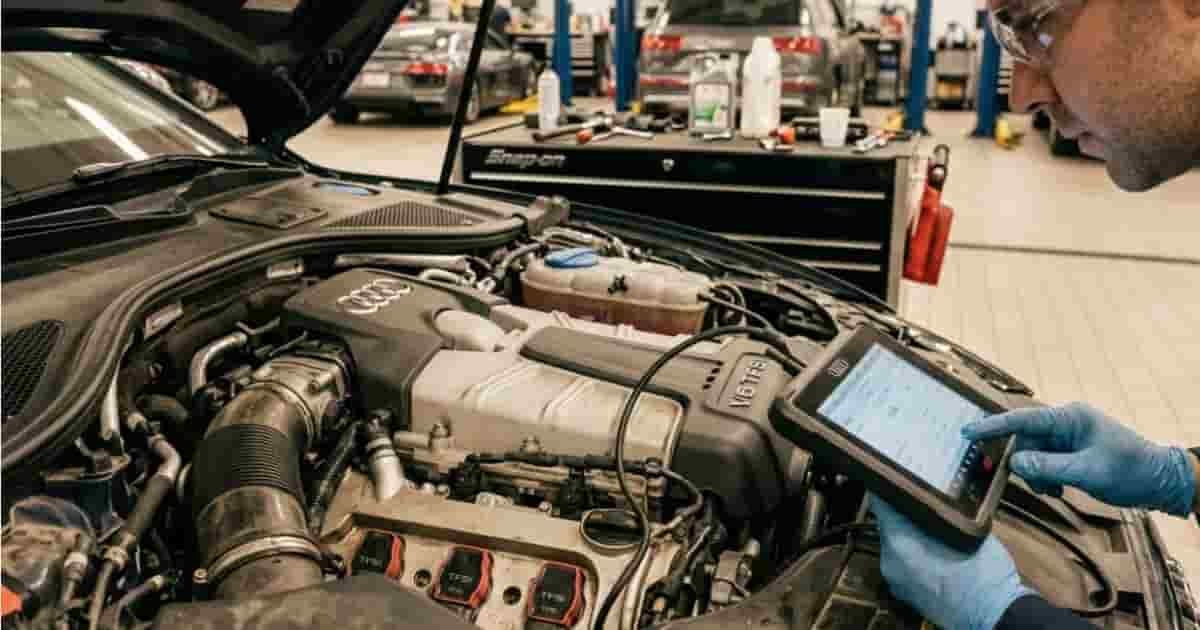
A professional diagnostic check can then examine the engine, fuel system, ignition parts, sensors, intake system, and transmission.
If you are looking for Audi repair in Abu Dhabi, choose a workshop with the right diagnostic equipment and experience with Audi vehicles. Proper testing is more useful than replacing several parts based only on symptoms.
How Can Audi Owners Prevent Acceleration Problems?
Regular maintenance is one of the best ways to reduce the risk of poor acceleration. Follow the recommended service schedule and replace filters, spark plugs, fluids, and other parts when required. Do not ignore warning lights or changes in engine behavior.
It is also useful to use the correct fuel and manufacturer-approved fluids for your Audi. Drivers in hot and dusty areas should pay close attention to filters, cooling parts, battery condition, and fluid levels. Early checks can catch small issues before they affect performance. Good maintenance also helps the engine and transmission work together more smoothly.
Conclusion
Audi acceleration problems can come from many different sources, including air filters, fuel delivery, spark plugs, ignition coils, sensors, injectors, carbon buildup, and transmission faults.
Abu Dhabi’s high temperatures and heavy traffic can add extra stress to these systems. If your Audi hesitates repeatedly, do not assume the problem will disappear on its own. Pay attention to when it happens and whether other symptoms appear.
A proper diagnostic inspection can identify the real cause and help prevent further damage. Early repairs can restore smooth acceleration and keep the vehicle safer and more reliable on the road.

We are storytellers at heart — a team of travel lovers and lifestyle enthusiasts who call the UAE our favorite subject. We dig deeper than the highlights, explore beyond the obvious, and bring you content that is as real as it gets. From hidden gems to iconic landmarks, we cover the Emirates the way it deserves to be covered.